

Resources

Excess Body Weight, Nutrition Conversation Tips
Addressing Pet Obesity When an Owner is Unaware of the Problem
Watch Dr. Julie Churchill and Dr. Sarah Abood role-play a veterinarian’s conversation with a client who is unaware her dog Benny is obese.
1 min to 5 min

Feeding Management
Feeding the finicky feline
Encouraging picky cats to eat can be frustrating for veterinary health care providers and pet owners alike. Managing medical conditions and stress and implementing strategies to improve food intake can help finicky felines meet their energy and nutrient needs. These strategies apply to hospitalized cats and cats in a home environment.
6 min to 10 min

Renal & Urinary Disorders
Volume 4: Diet Can Make a Difference: Nutrition and Chronic Kidney Disease
Read about the role of nutrition in the management of canine and feline chronic kidney disease, and about factors that impact food intake and renal diet acceptance in cats.
16 min to 20 min
Cognition Assessment
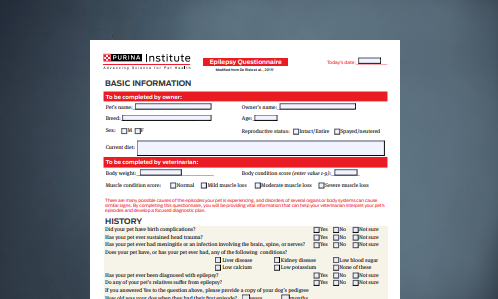
Epilepsy Questionnaire
This screening form provides a practical, easy-to-use questionnaire that can help clients provide important information for the diagnosis of idiopathic epilepsy in dogs.
1 min to 5 min
Treats & Supplements
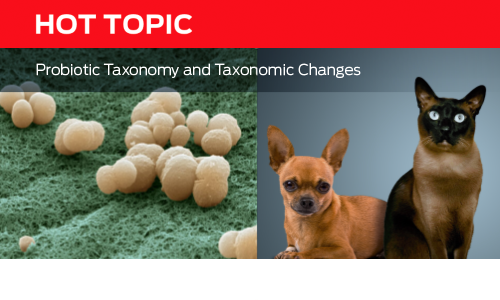
Probiotic Taxonomy and Taxonomic Changes
Probiotic taxonomy can seem daunting to veterinary health care teams and pet owners alike. Understanding taxonomic changes, or changes to the genus and/or species name of a probiotic, can help improve communication with owners about supplements.
6 min to 10 min

Musculoskeletal Disorders
Nutrition and joint health in pets
Osteoarthritis is the most common chronic joint disorder in dogs and cats. Nutrition as a part of a multimodal management approach may help improve quality of life for pets with joint disease and may also be beneficial in supporting joint health in well pets.
6 min to 10 min

Gastrointestinal Disorders
Volume 3: Putting Microbiome Science into Practice
Understand how changes in the microbiome can influence management of chronic enteropathy and what tools can positively impact case management, such as diet trials and fecal microbiota transfer.
16 min to 20 min
Ingredients in Pet Food
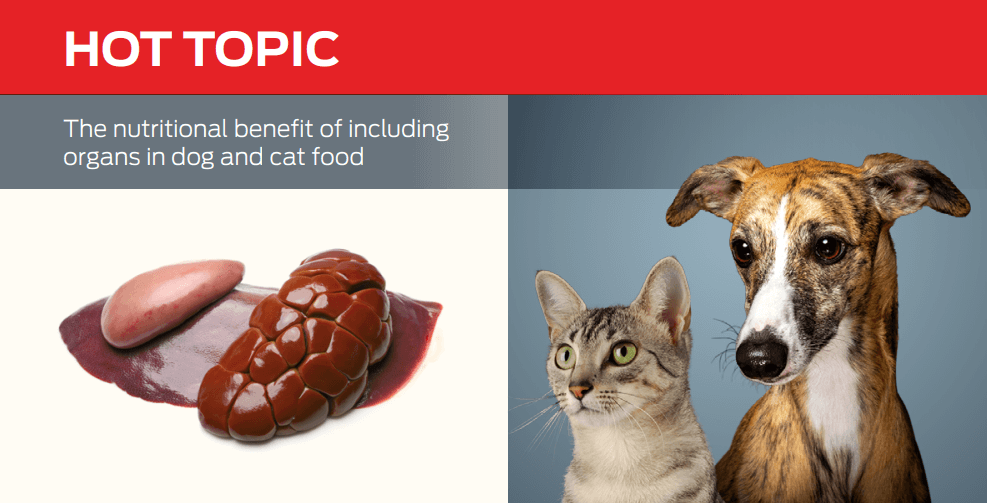
The nutritional benefit of including organs in dog and cat food
Pet owners often ask veterinary health care providers why organs are included in pet food. There are nutritional advantages to including organs, and utilizing organs in dog and cat food is also beneficial for the environment.
6 min to 10 min

Ingredients in Pet Food
Medium-chain triglycerides (MCTs) in pet food
Although medium-chain triglycerides (MCTs) do not supply essential fatty acids and thus should not be the only dietary fat source in pet food, 1 studies show supplementing MCTs in the diet can provide health benefits to some dogs.
6 min to 10 min
Feeding Philosophies, Nutrition Conversation Tips
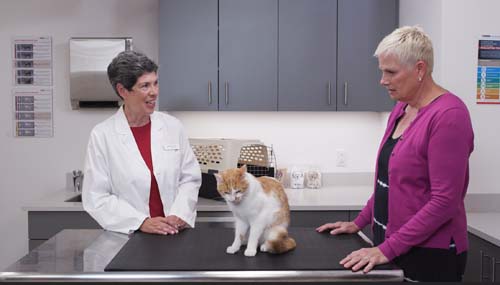
How to Discuss Vegan Diets With a Cat Owner
Watch Dr. Sarah Abood and Dr. Julie Churchill role-play the delicate conversation between a veterinarian and a client who wishes to feed her cat a vegan diet.
1 min to 5 min

Body Condition Assessment, Nutrition Conversation Tips
The Importance of Ideal Body Condition
Watch Dr. Julie Churchill and Dr. Sarah Abood as they role-play a discussion between a veterinarian and client on maintaining a dog in ideal body condition throughout life.
1 min to 5 min
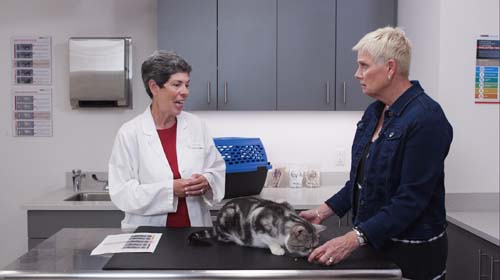
Excess Body Weight, Nutrition Conversation Tips
Addressing Pet Obesity When an Owner is Resistant to Change
Watch Dr. Sarah Abood and Dr. Julie Churchill role-play a veterinarian’s conversation with a client who is reluctant to feed her overweight cat, Frank, a different diet or to eliminate his treats.
1 min to 5 min