
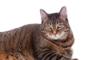
JEMMA, an Overweight Cat
JEMMA, an Overweight Cat
Additional Resource


Card3 Slider 3 QA new component
Heart disease invariably progresses, but it does not always lead to heart failure. The prognosis depends on the pet’s overall health, the type of heart disease and its rate of progression.


Card2 Slider 3 QA with image for test new component
Various cooking processes are used in preparing commercial pet foods to ensure delivery of highly nutritious, palatable products. The methods used are determined by the final form (e.g., a dry or wet food), desired texture and visual properties, and packaging. Common forms of pet food include dry extruded kibbles and canned wet food.

Card1 Slider 3 QA
Many common food items found in kitchens are potentially harmful to dogs and cats.
Card3 Slider 3 QA new component
Heart disease invariably progresses, but it does not always lead to heart failure. The prognosis depends on the pet’s overall health, the type of heart disease and its rate of progression.
Card2 Slider 3 QA with image for test new component
Various cooking processes are used in preparing commercial pet foods to ensure delivery of highly nutritious, palatable products. The methods used are determined by the final form (e.g., a dry or wet food), desired texture and visual properties, and packaging. Common forms of pet food include dry extruded kibbles and canned wet food.
Card1 Slider 3 QA
Many common food items found in kitchens are potentially harmful to dogs and cats.
Card3 Slider 3 QA new component
Heart disease invariably progresses, but it does not always lead to heart failure. The prognosis depends on the pet’s overall health, the type of heart disease and its rate of progression.


Card3 for Slider QA4 with image test new component in CMS Drupal Slider
Idiopathic epilepsy is the #1 chronic neurologic condition diagnosed in dogs.


Card2 for Slider QA4
Maintaining a lean, healthy body condition in kittens can help prevent obesity and related health conditions in later years.


Card1 for Slider QA4
Prebiotics are dietary fibers that offer important nutritional interventions for preventive gut health and the management of health conditions.
Card3 for Slider QA4 with image test new component in CMS Drupal Slider
Idiopathic epilepsy is the #1 chronic neurologic condition diagnosed in dogs.
Card2 for Slider QA4
Maintaining a lean, healthy body condition in kittens can help prevent obesity and related health conditions in later years.
Card1 for Slider QA4
Prebiotics are dietary fibers that offer important nutritional interventions for preventive gut health and the management of health conditions.
Card3 for Slider QA4 with image test new component in CMS Drupal Slider
Idiopathic epilepsy is the #1 chronic neurologic condition diagnosed in dogs.


Speakers:
Marge Chandler, DVM, MS, MANZCVS, DACVIM (SAIM, NUTRITION), MRCVS
Shoshana Verton-Shaw, RVT, VTS (NUTRITION)
A case-based discussion with international veterinary nutrition specialists on having meaningful nutrition conversations with pet owners. The conversation reviews why nutrition is challenging to discuss -- it is an emotional, complex and scientific area of veterinary medicine. Tips on how veterinary professionals can use the circle of nutrition in their client conversations are also provided.
Webinar was held on July 14, 2022
Appropriate Antimicrobial Use in Acute and Chronic Diarrhea
Explore the current best practices for case management of acute and chronic enteropathies.
Association Between Intestinal Dysbiosis, NetF-Toxin-Encoding C. perfringens and Increased Intestinal Permeability in Dogs With Acute Hemorrhagic Diarrhea Syndrome
Are intestinal barrier dysfunction and increased permeability present in dogs with acute hemorrhagic diarrhea syndrome? Results of this study suggest an answer.
Key Messages
- Nutritional support plays an important therapeutic role in the management of dogs with acute pancreatitis and usually includes enteral nutrition or parenteral nutrition.7─10
- Acute pancreatitis is associated with substantial catabolism, increased metabolic demands and nutritional requirements, and potential tissue necrosis.11
- Feeding may be complicated by ileus, a commonly encountered complication of acute pancreatitis.11
- Although studies in dogs with pancreatitis are limited, data support a benefit to early enteral nutrition,8,12 which is now strongly recommended over parenteral nutrition or nil per os (NPO; nothing by mouth) for most cases. Nutritional intervention becomes more important with increasing disease severity and should be started even if the patient is still vomiting.8,12,13
- Early enteral nutrition helps stabilize the gut barrier, improve enterocyte health and immune function, improve GI motility, decrease catabolism, minimize protein-energy malnutrition, and minimize bacterial translocation.7,8,12
- Cell biology experiments have shown that pancreatic necrosis and inflammation are associated with inhibition, not excessive stimulation, of secretions. These studies also suggest feeding may help remove prematurely activated enzymes.13
- Fasting is only necessary if a patient has intractable vomiting or is at risk for aspiration pneumonia.13
- Dogs with acute pancreatitis that are not vomiting should generally be fed by mouth. If anorectic, a feeding tube can be placed and used until the dog is voluntarily eating.
- Diet characteristics and key nutrients of concern include water; electrolytes, especially potassium, sodium, and chloride; fat; protein, particularly free essential amino acids; and digestibility.
- Many dogs with pancreatitis present with some degree of dehydration due to ongoing vomiting and/or diarrhea, making water a critical nutrient.
- Dogs with mild fluid deficits (about 5%) may be treated with subcutaneous fluids or, if they are not vomiting, they can be managed with oral water intake.
- Moderately dehydrated dogs should receive appropriate intravenous (IV) fluid and electrolyte replacement. Lactated Ringer’s solution appears to provide better outcomes than 0.9% sodium chloride (saline) solution.5,14
- Severely dehydrated dogs need aggressive IV fluid therapy. Maintaining perfusion of the pancreatic microcirculation is critical to treatment and recovery.6
- The combination of vomiting, diarrhea, anorexia, and fluid therapy can result in abnormal serum potassium, chloride, and sodium concentrations. Abnormal calcium levels also have been reported.
- When indicated by testing, potassium chloride can be added to IV fluids with attention closely paid to rate of fluid therapy.
- The initial dietary therapy should contain levels of potassium, chloride, and sodium above the normal allowances for healthy dogs. These increased levels typically are present in many therapeutic diets indicated for pancreatitis.
- While veterinary studies evaluating different diet types and their effects on the course of pancreatitis are lacking, a highly digestible diet designed for patients with GI disease is generally recommended.
- Dietary fat reduction is a logical consideration in nutritional management of acute pancreatitis,13 although the link between high dietary fat and naturally occurring pancreatitis is not clear.7 Many dogs with pancreatitis are hyperlipidemic, which can be managed with fat reduction.9
- Dogs with hyperlipidemia should be fed a high-quality, balanced, ultra-low-fat diet (fat content ≤ 10% DM or 2 to 3 grams per 100 kilocalories of metabolizable energy [g/100 kcal ME]) to achieve lower serum triglycerides and cholesterol.4,7
- Non-hyperlipidemic dogs can be fed low-fat foods (≤ 15% DM or < 3.5 g/100 kcal ME).4,15 However, if there is no evidence of fat intolerance, an easily digested diet with moderate fat content (4 to 6 g/100 kcal ME) can be fed.7
- Nutritional plans for dogs with pancreatitis should provide sufficient protein for recovery and tissue repair.
- Dogs with acute pancreatitis may fully recover and may not exhibit signs of chronic pancreatitis. If a low-fat diet was fed during hospitalization, the dog can be slowly transitioned to the previous or intended maintenance diet.14 Some dogs may need a low-to-moderate-fat diet for life.
- For dogs with persistent nausea and vomiting, feeding tube placement may be necessary to help correct their negative energy balance. Enteral feeding is preferred over parenteral feeding because it helps restore intestinal motility, decreases intestinal villi atrophy, and reduces bacterial translocation.
- Feeding tubes (e.g., nasogastric, nasoesophageal, and esophagostomy) are well tolerated, allow convenient delivery of nutrients, and are associated with few complications. However, dogs that continue to vomit can displace their feeding tubes. It is essential that placement be checked before each use.
- An ideal diet for supporting hospitalized dogs with acute pancreatitis is yet to be determined. In most cases, a highly digestible diet that is low in fat, moderate in protein, and low in fiber is recommended.15
Nutritional management approaches to consider
- Nutritional support plays an important therapeutic role in the management of dogs with acute pancreatitis and usually includes enteral nutrition or parenteral nutrition.7─10
- Acute pancreatitis is associated with substantial catabolism, increased metabolic demands and nutritional requirements, and potential tissue necrosis.11
- Feeding may be complicated by ileus, a commonly encountered complication of acute pancreatitis.11
- Although studies in dogs with pancreatitis are limited, data support a benefit to early enteral nutrition,8,12 which is now strongly recommended over parenteral nutrition or nil per os (NPO; nothing by mouth) for most cases. Nutritional intervention becomes more important with increasing disease severity and should be started even if the patient is still vomiting.8,12,13
- Early enteral nutrition helps stabilize the gut barrier, improve enterocyte health and immune function, improve GI motility, decrease catabolism, minimize protein-energy malnutrition, and minimize bacterial translocation.7,8,12
- Cell biology experiments have shown that pancreatic necrosis and inflammation are associated with inhibition, not excessive stimulation, of secretions. These studies also suggest feeding may help remove prematurely activated enzymes.13
- Fasting is only necessary if a patient has intractable vomiting or is at risk for aspiration pneumonia.13
- Dogs with acute pancreatitis that are not vomiting should generally be fed by mouth. If anorectic, a feeding tube can be placed and used until the dog is voluntarily eating.
Diet characteristics and nutrients of concern
- Diet characteristics and key nutrients of concern include water; electrolytes, especially potassium, sodium, and chloride; fat; protein, particularly free essential amino acids; and digestibility.
- Many dogs with pancreatitis present with some degree of dehydration due to ongoing vomiting and/or diarrhea, making water a critical nutrient.
- Dogs with mild fluid deficits (about 5%) may be treated with subcutaneous fluids or, if they are not vomiting, they can be managed with oral water intake.
- Moderately dehydrated dogs should receive appropriate intravenous (IV) fluid and electrolyte replacement. Lactated Ringer’s solution appears to provide better outcomes than 0.9% sodium chloride (saline) solution.5,14
- Severely dehydrated dogs need aggressive IV fluid therapy. Maintaining perfusion of the pancreatic microcirculation is critical to treatment and recovery.6
- The combination of vomiting, diarrhea, anorexia, and fluid therapy can result in abnormal serum potassium, chloride, and sodium concentrations. Abnormal calcium levels also have been reported.
- When indicated by testing, potassium chloride can be added to IV fluids with attention closely paid to rate of fluid therapy.
- The initial dietary therapy should contain levels of potassium, chloride, and sodium above the normal allowances for healthy dogs. These increased levels typically are present in many therapeutic diets indicated for pancreatitis.
- While veterinary studies evaluating different diet types and their effects on the course of pancreatitis are lacking, a highly digestible diet designed for patients with GI disease is generally recommended.
- Dietary fat reduction is a logical consideration in nutritional management of acute pancreatitis,13 although the link between high dietary fat and naturally occurring pancreatitis is not clear.7 Many dogs with pancreatitis are hyperlipidemic, which can be managed with fat reduction.9
- Dogs with hyperlipidemia should be fed a high-quality, balanced, ultra-low-fat diet (fat content ≤ 10% DM or 2 to 3 grams per 100 kilocalories of metabolizable energy [g/100 kcal ME]) to achieve lower serum triglycerides and cholesterol.4,7
- Non-hyperlipidemic dogs can be fed low-fat foods (≤ 15% DM or < 3.5 g/100 kcal ME).4,15 However, if there is no evidence of fat intolerance, an easily digested diet with moderate fat content (4 to 6 g/100 kcal ME) can be fed.7
- Nutritional plans for dogs with pancreatitis should provide sufficient protein for recovery and tissue repair.
- Dogs with acute pancreatitis may fully recover and may not exhibit signs of chronic pancreatitis. If a low-fat diet was fed during hospitalization, the dog can be slowly transitioned to the previous or intended maintenance diet.14 Some dogs may need a low-to-moderate-fat diet for life.
Feeding management
- For dogs with persistent nausea and vomiting, feeding tube placement may be necessary to help correct their negative energy balance. Enteral feeding is preferred over parenteral feeding because it helps restore intestinal motility, decreases intestinal villi atrophy, and reduces bacterial translocation.
- Feeding tubes (e.g., nasogastric, nasoesophageal, and esophagostomy) are well tolerated, allow convenient delivery of nutrients, and are associated with few complications. However, dogs that continue to vomit can displace their feeding tubes. It is essential that placement be checked before each use.
- An ideal diet for supporting hospitalized dogs with acute pancreatitis is yet to be determined. In most cases, a highly digestible diet that is low in fat, moderate in protein, and low in fiber is recommended.15
Explore Transforming Heart Health:
Behaviors associated with aging in dogs and cats


MER Calculator for Cats
This interactive tool has been designed to help you with nutritional recommendations. Enter your patient's age group, weight, body condition score (BCS), and dietary goals (maintain or lose weight) to reveal estimated ideal weight if pet were in ideal BCS, and estimated daily caloric needs (maintenance energy requirements, or MER).
Required fields


Purina Institute Digest

Therapeutic Nutrition

Life Stage Nutrition
Purina Institute Digest
Therapeutic Nutrition
Life Stage Nutrition
Purina Institute Digest
JEMMA, an Overweight Cat

ANNIE, Canine Adverse Food Reaction

MOLLY, an Obese Dog

Volume 12: Systemic Effects of the Gut Microbiome

Volume 11: Healthy Aging

Volume 8: Communication in Veterinary Medicine
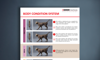
Feline Body Condition System Sheet

Raw Food Diets
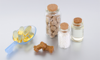
Supplements for Dogs and Cats
Caption test Download component
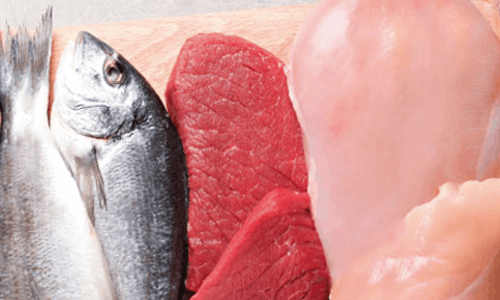
Credit test Download component